In a world filled with a kaleidoscope of colors, textures, and forms, the art of photography serves as an effective medium to record the profound contrasts present in nature. From the plain black and white aesthetics that evoke feeling to long exposure photography that records the ephemeral charm of time, each component adds to our understanding of the world around us. This article will explore different facets of nature's contrast through different photographic approaches, using insights into how juxtaposing elements can develop striking visuals.
Nature's Contrast: Juxtaposing Components for Striking Visuals
Nature uses an endless variety of contrasting elements-- light and dark, stillness and movement, heat and cold. In photography, these contrasts can be utilized to tell compelling stories that resonate deeply with viewers. By thoroughly observing and recording these elements, photographers can create images that not only please the eye but also provoke thought and emotion.
The Power of Monochrome Photography
Black and white photography strips away distractions, enabling viewers to concentrate on kind, texture, and light. This stylistic choice highlights contrasts in methods color cannot.
Emotional Resonance of Monochrome
Photographs lacking color typically carry a weighty emotional resonance. The absence of color forces viewers to engage more fully with the topic. For example:
- Shadows on Ice: Capturing shadows cast throughout a frozen lake creates strong visual tension. Fading Forms: The interaction in between light and shadow can stimulate feelings of fond memories or solitude.
Using black and white aesthetic appeal elevates the impact of such contrasts.
Techniques for Effective Black and White Photography
Contrast Management: High contrast settings highlight distinctions in light. Texture Focus: Textures become vital; consider surface areas like ice or foliage. Composition Methods: Usage leading lines to assist audiences' eyes through your image.Long Direct exposure Photography: Catching Time's Essence
Long direct exposure photography allows professional photographers to capture motion gradually, transforming vibrant scenes into tranquil visuals.
Creating Ethereal Effects with Long Exposures
Imagine a peaceful lake at sunset; long direct exposure can change rippling water into a smooth glassy surface area while clouds appear as soft strokes throughout the sky:
- Water and Ice: Photographing melting ice together with streaming water captures seasonal transitions beautifully. Dreamlike Quality: Such techniques imbue images with a surreal atmosphere.
Self-Portrait Art in Photography: A Journey Within
Self-portraiture is not merely about documenting one's look; it's an exploration of identity through contrasting elements.
Artistic Self-Expression Through Juxtaposition
Contemplative Figure in Nature: Position yourself against expansive landscapes. Transparent Figures: Play with lighting to produce ghostly silhouettes. Wool Coat Silhouette: Use clothing as part of your composition for included depth.This technique invites audiences into your individual narrative while showcasing nature's beauty.
Lake Photography: Reflections on Still Waters
Lakes offer distinct opportunities for photographers due to their reflective surfaces which magnificently mirror surrounding landscapes.
Understanding Lake Reflections
The relationship in between land and water offers spectacular visual contrasts:
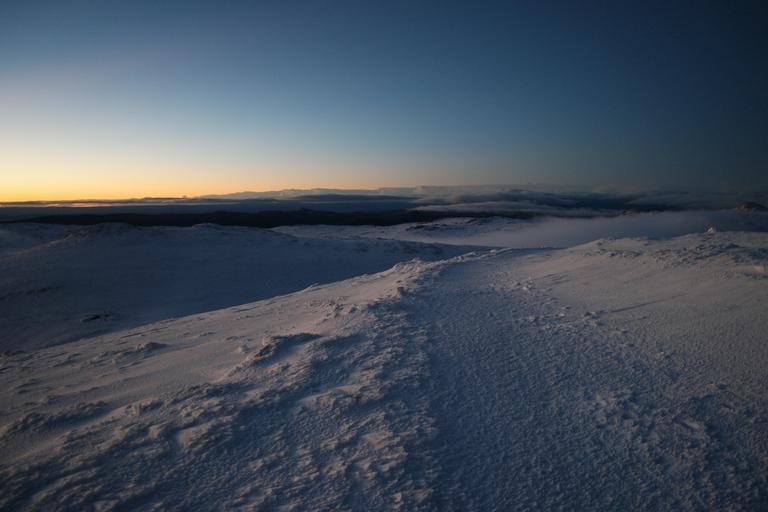
- Soft Reflections: Catching reflections throughout dawn photography enhances mood. Frozen Lake in Photography: The icy surface areas during winter obstacle understandings of water's fluidity.
Frozen Water: A Research Study in Contrasts
Frozen lakes offer abundant textures that juxtapose solid ice versus soft snow or dark water below:
Melting Ice in Photography
As spring techniques, melting ice provides ephemeral beauty:
Capture minutes where defrosting begins. Highlight shapes developed by drips or pools forming beneath.Seasonal Transition Photography: Between Seasons
Nature's transitions are aesthetically striking moments ripe for exploration through photography:
Spring Thaw in Photography
The steady warming represents renewal-- a combination shift from stark whites to budding greens:
- Capture moments where snow fulfills emerging flora. Explore the contrast in between remaining cold and growing warmth.
Winter's End in Photography: A Celebration of Change
As winter paves the way to spring, contrasting components become noticable:
Light returns with increasing intensity. Shadows decline as brightness prevails-- an invite for expedition through composition.Backlit Silhouettes: Artistry in Shadow Play
Backlighting enables photographers to develop photographer remarkable shapes versus vibrant sunsets or rising suns:
Strong Backlighting Techniques
Position topics between your cam lens and source of lights for compelling compositions. Experiment with figures in motion against backdrops-- this produces impactful imagery full of life.Soft Morning Light: The Magic Hour for Photographers
Early mornings unveil soft lighting conditions best for nature's contrast photography:
Capturing Serene Landscapes at Dawn
The serenity throughout dawn cultivates reflective moods that resonate within photographs:
Utilize misty mornings for ethereal quality-- create layers within your composition. Explore blurred lines between foreground subjects like trees or yards versus vast skies filled with pastel hues.Silhouette Art in Nature Photography: Capturing Essence Through Shape
Emphasizing shapes rather than information can yield powerful results:
Creating Minimalistic Structures Through Silhouette Art
Focus on lays out instead of colors-- this technique lends itself well to nature's contrasts. Use natural frames like branches or windows within your scene-- highlighting silhouettes adds depth while maintaining simplicity.Moody Environment: Crafting Emotion Through Composition
Creating a moody atmosphere requires mindful factor to consider relating to color combinations (or lack thereof) and ecological conditions:
Conveying Emotion Through Liminal Spaces
Identify transitional areas where one season fulfills another-- this evokes contemplative sensations among viewers. Employ soft focus strategies paired with soft tones-- the outcome magnifies emotions associated with short lived minutes recorded forever within frames!Transitional Photography: Documenting Modification Over Time
Photographers need to welcome modification; capturing evolving landscapes heightens awareness about ecological characteristics over seasons:
Timeless Charm Found Within Transitional Moments
1. File moves throughout different timescales-- from everyday changes at sunrise/sunset down through yearly cycles marking considerable seasonal shifts!
2. Invest effort into understanding timing before heading out-- it assists take full advantage of chances when photographing short lived moments!
FAQs
What is Nature's Contrast?
Nature's contrast describes the juxtaposition between various components found within natural settings-- light versus dark, stillness versus motion-- which creates striking visual stories in photography.
How does black-and-white photography boost nature's contrast?
By stripping away color interruption, black-and-white photography stresses forms, textures, light interaction producing effective emotional depth often missed out on when utilizing colors alone!
What methods work when shooting long-exposure photographs?
Utilizing neutral density filters enables longer shutter speeds without overexposing images while supporting tripods ensures clearness throughout extended direct exposures leading to beautiful heavenly effects!
Why is self-portrait art essential within landscape photography?
Self-portraits permit artists personal stories linked in the middle of external environments showcasing uniqueness while at the same time emphasizing surrounding charm fostering much deeper connections beyond mere looks alone!
How do reflections contribute towards lake photography?
Reflections form captivating visual discussion between land & & water enhancing depth viewed by audiences inviting them into peaceful landscapes welcoming consideration upon life's temporal nature!
What function does lighting play concerning silhouette art?
Lighting serves as important aspect defining details illuminating subjects properly generating impactful compositions lending themselves efficiently toward communicating much deeper significances behind everyday events recorded artistically!
Conclusion
In conclusion, Nature's Contrast: Juxtaposing Aspects for Striking Visuals supplies an expansive canvas upon which photographers may reveal their artistic vision through thoughtful juxtapositioning strategies catching ageless charm found within fleeting moments! By accepting different designs like black-and-white visual appeals together with long direct exposure approaches we open doors leading forth checking out much deeper understandings worrying relationships present throughout our environment! Whether it's illustrating serenity amidst winter season's end or commemorating shifts taking place from spring thaw let us remember how essential valuing such nuances proves important promoting connections bridging gaps left unacknowledged formerly! So grab those cams-- you never ever understand what captivating magic lies ahead waiting patiently simply beyond sight up until revealed!